
Honda PCX 160 2026 for Commuting: Comfort, Storage, and What to Think Through Before Buying
This is a quick look at the Honda PCX 160 2026 for daily commuting and city riding, with the focus not on piling up specs, but on the things you feel more clearly in real use: whether it gets tiring to ride, whether it is actually comfortable to sit on, whether the storage is really enough, and whether you might later feel the money was not especially well spent.
Date: 2026-10-08Author: otochannel Editorial
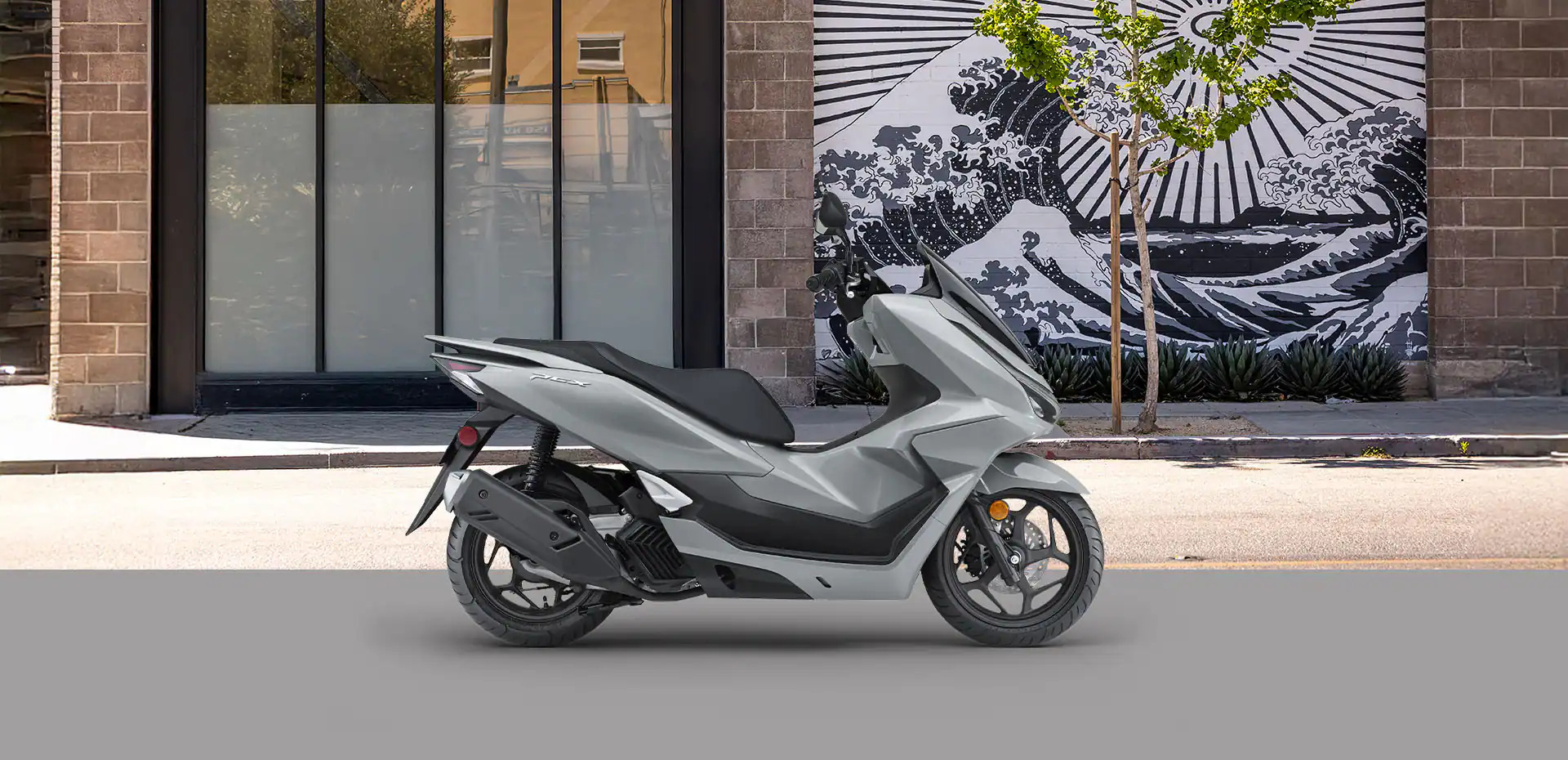
This is a quick look at the Honda PCX 160 2026 for daily commuting and city riding, with the focus not on piling up specs, but on the things you feel more clearly in real use: whether it gets tiring to ride, whether it is actually comfortable to sit on, whether the storage is really enough, and whether you might later feel the money was not especially well spent.
For a lot of people shopping for a scooter, the point of something like the PCX 160 is usually not that it is the fastest or the most aggressive. The real question is whether it can handle commuting, short errands, and the occasional two-up ride without making life difficult. To put it simply, many people look at this kind of scooter not for adrenaline, but for convenience, a bit of polish, and the feeling that riding it every day will not get on their nerves.
Key takeaways
The Honda PCX 160 2026 still deserves attention from buyers who want a mid-to-large scooter and care quite a bit about commuting comfort and everyday quality.
Its core value is not just that the displacement reaches the 160 class, but that throttle response, riding posture, storage convenience, and overall ease of use come together as a fairly complete commuting package.
For most users, what is really worth checking is usually not one isolated feature, but whether this scooter can cover the few situations you run into most often over the course of a normal week.
Why the PCX 160 still keeps coming back into comparisons
In the scooter market, the PCX 160 has never really been the kind of bike that grabs attention by being cheap. It keeps showing up on shortlists more because its direction is clear: it is not blindly chasing aggression, and instead tries to balance quality feel, comfort, and everyday convenience a bit more carefully.
The appeal of this kind of product is actually very practical. A lot of people do not buy a scooter just for a weekend ride. They buy one because they really will use it often. Commuting every day, filtering through traffic, picking up a few things on the way, then riding home at night — once a scooter becomes part of daily life, the test is no longer whether it feels fresh on one specific day, but whether it still feels easy to live with over time.
It is not the cheap route, but more the “less hassle” route
When many people first look at the PCX 160, they immediately feel it is not the kind of choice built around shock-value pricing. That is not a wrong read. Its idea was never to win by having the lowest entry point, but to make the details in real use feel more complete. You can think of it as a scooter that is not especially interested in competing with others on price, but is very interested in giving you fewer reasons to complain later.
That is also why it often attracts riders who have already spent some time on a smaller scooter and want to move up a bit. Those users usually already know what they want: they do not want sluggish power, a cramped riding position, weak storage, or styling that feels too cheap. The PCX 160 tends to give a pretty solid “it does all of that reasonably well” answer.
The point of 160-class power is confidence, not reckless speed
In the published specs, the PCX 160 uses a 156.9cc eSP+ engine with 11.8 kW of maximum power and 14.7 Nm of peak torque, paired with an automatic transmission system. Looked at by numbers alone, it obviously is not taking the high-performance scooter route. But in the context of everyday city commuting, the point of this powertrain was never excitement. The point is composure.
You feel that composure in a lot of small moments. At traffic lights, for example, it does not leave you feeling like the cars behind are already impatient. With two riders or some extra stuff on board, it does not go obviously flat. When you roll on the throttle again in the middle of the speed range, it also feels more respectable than many entry-level small scooters. For commuting riders, whether the power is enough is often not about top speed, but about whether those low-to-mid-speed situations you deal with every day always feel strained.
So if your main use is city transport, commuting, and occasional carrying of another person, the PCX 160's power positioning is actually pretty sensible. It does not feel like a toy designed mainly to deliver emotional excitement. It feels more like a daily tool that does “more than enough” in a steady way.
Its size and weight decide how easy it is to live with every day
Beyond the engine, the PCX 160's dimensions and weight are also worth paying attention to. Its seat height is around 764 mm, which for most adult riders should not make getting both feet down feel too difficult. Kerb weight is about 132 kg, so pushing it around and moving it in parking situations does not feel as intimidating as a larger-displacement scooter, though compared with an entry-level small scooter it still carries a bit more heft and may take a little getting used to at first.
Its wheelbase is around 1,453 mm, which works quite nicely in the city: it helps straight-line stability, while still avoiding the kind of bulk that makes turning and U-turns feel clumsy. For commuting riders who spend every day moving through traffic, that balance is more useful than simply being very big or very small.
Comfort and storage are what finally make many people pay for it
A lot of people are drawn in by the styling at first, but what really makes them place the order is usually comfort and convenience. With a scooter, your contact frequency is extremely high after purchase. The seat, the foot space, grabbing things while parked, even the riding posture while waiting at lights — all of it affects your mood more than you might expect.
The riding posture is fairly relaxed, so commuting is less irritating
One appealing thing about the PCX 160 is that the overall riding posture is usually quite natural. It is not the kind of scooter that makes you want to hunch over and ride hard the moment you sit on it. The direction is more relaxed. For commuting users, that actually matters a lot, because you are not out there every day to “enjoy the ride” in some dramatic way. A lot of the time, you just want to get through the trip quickly, steadily, and without extra burden.
People with longer commutes, or those who face traffic lights and congestion every day, usually understand the value of that setup more quickly. A more comfortable posture, less tension in the upper body, enough room for your legs to move, and not feeling too tired after half an hour of riding — none of that sounds exciting, but in high-frequency use those are exactly the things that are worth money.
A 30 L storage compartment solves small problems that decide whether your day feels smooth
One very practical figure on the official page is the PCX 160's 30 L under-seat storage. That number does not sound dramatic, but in everyday life it is already meaningful. Rain gear, a half-face helmet, a lock, documents, or small shopping items can often fit much more easily.
In real use, a 30 L under-seat compartment can usually take one full-face or half-face helmet plus some smaller loose items, but it is still better to bring your own helmet during a test ride and try it for yourself, because different helmet shapes and sizes vary in compatibility. In addition, the PCX 160 usually has a covered small storage pocket on the front left side for a phone, cards, or a small drink bottle, and some versions also offer a USB charging port.
Storage is exactly the kind of thing that creates a gap in everyday life. Whether a day feels smooth or not is often decided less by engine numbers than by whether you need to carry a backpack, whether the things you buy on the way can be stored, and whether parking means dealing with a pile of loose items by hand. The advantage of the PCX 160, in the end, is that it tries to reduce those small daily inconveniences.
The equipment is not flashy, but the high-frequency daily functions are in place
Based on public sales information, the PCX 160 is currently offered in CBS, ABS, and RoadSync variants, and Smart Key has already been made standard across the range. For commuting users, the point of this sort of equipment is not to show off. It matters because it genuinely changes how easy the scooter is to use every day.
A keyless start system, for example, may not sound especially advanced at first. But once you are carrying things, in a hurry, or stopping and setting off repeatedly, you notice that it saves effort. Which version makes sense depends more on your budget and use case: if your use is mostly everyday city riding, many people start from a “good enough” angle; if you care more about braking hardware, display connectivity, or overall completeness, then the higher version naturally becomes more attractive.
When buying a scooter, do not look only at the sticker price; the experience afterward matters more
The thing many people struggle with most when deciding whether to buy a motorcycle is still price. That is understandable. The problem is that with something like the PCX 160, if you only stare at the starting price, you can miss a more important judgment: whether the scooter will feel comfortable, easy to live with, and worth riding every day after you buy it.
Based on the current public page, the PCX 160 starts at around Rp34.35 million in Indonesia, which is roughly in the RMB 15,000 to 16,000 range. Higher versions cost more. It is clearly not in the “just buy it casually” category, but because of that, the real thing to think through is not just whether it is expensive. It is whether the extra money actually lands in the parts of the ownership experience that matter to you.
People who ride a lot every day are more likely to feel it is worth the money
If you only ride occasionally and head out on weekends when you feel like it, many of the PCX 160's strengths may not feel worth much right away. But if you are already a high-frequency commuter, riding five or six days a week, or even using a motorcycle as your main form of transport, you are more likely to feel its strengths fairly quickly.
That is because high-frequency users ask different things from a bike than occasional riders do. Low-frequency users are easier to impress with styling and short-term novelty. High-frequency users care more about stress reduction. A little less fatigue, a little less annoyance, easier parking and storage, less strain with two people on board — none of these things explode on their own, but together they very often decide whether you regret the purchase.
Do not ignore the ownership rhythm, or you may only feel the pain after buying
Another point that is easy to overlook is the rhythm of ownership costs afterward. With a scooter that is not positioned at the lower end like the PCX 160, it is best to ask about maintenance, insurance, and wear items before buying. It is not that it will necessarily be outrageously expensive. It is that once you are already looking at this class, there is no real reason to calculate only the first payment.
Especially if your commute mileage is not short, tires, routine maintenance, and the occasional small repair are all real costs waiting later. In the Indonesian market, the PCX 160's maintenance interval is usually around every 4,000 km, though the actual service items and costs can vary by dealer and region, so it is best to confirm directly with a local dealer before buying. Once you add those things in, it becomes much easier to see whether the scooter really suits you.
Before seeing the bike or taking a test ride, it is worth confirming a few things first
A scooter like the PCX 160 really is not the kind of thing you should judge only from pictures. A big part of its selling point can only be understood when you actually sit on it and ride it for a short distance yourself.
For most users looking at this kind of scooter, the things most worth confirming are usually:
Whether the riding posture feels relaxed enough for you
Whether moving it around by hand or parking it feels stressful
Whether putting both feet down feels secure
Whether the under-seat and front storage match your daily habits
If you occasionally ride two-up, whether the power and pillion comfort feel acceptable
From this stage onward, it is better not to think of it as just a scooter with somewhat bigger specs. It makes more sense to think of it as a commuting partner you will be using for a long time. Once you shift your thinking that way, a lot of judgments become clearer.
A short checklist before buying
You really need to get on it yourself and feel the posture and footing
A scooter is not like a car. Body feel is much more direct. Whether you like a bike or not, a lot of the time you know within ten seconds of sitting on it. The PCX 160, being a mid-to-large scooter, is not positioned as something especially tiny, so personally checking the riding posture, handlebar reach, and how both feet land is not a step to skip.
That matters even more if you are not especially tall, or if you have mainly ridden lighter and smaller bikes before. On paper things can look similar, but once you actually swing a leg over, the feeling may be completely different.
During the test ride, do not just judge whether it feels smooth; also judge whether slow riding feels tiring
A lot of people focus only on whether take-off feels smooth and whether acceleration is enough during a test ride, and as a result miss a more important question for commuting: whether low-speed riding feels easy. Because what you deal with most every day is usually not open-road fun, but traffic, waiting at lights, moving the bike around, and squeezing through small gaps.
So during the test ride, it is worth deliberately paying attention to slow-speed following, turning, U-turns, stopping, and moving the bike in and out. A scooter that really suits commuting does not always make you feel the most excited, but it usually makes you feel it is easy to control.
Be honest about whether you want something that looks good or something that is easier to live with
This sounds a bit blunt, but it is very real. A lot of bikes look great at first glance, but once you buy them, what decides satisfaction is never the five minutes you spend taking photos. It is whether you will swear at the thing when you are rushing every day.
The PCX 160's real strength sits exactly on the “easy to live with” side. It is not the sort of bike that tries hardest to stir emotions, but it may well be the sort that still feels dependable when you are late for work, it starts raining, you suddenly need to buy something, or you want to take someone out on the weekend.
Who should consider the Honda PCX 160 2026?
The PCX 160 2026 suits several kinds of users. First, people who already know they need a mid-to-large scooter for high-frequency commuting. Second, riders moving up from a smaller scooter and wanting power, comfort, and quality feel to improve together. Third, buyers willing to spend a bit more budget in exchange for a more complete everyday experience.
If your main use is city commuting, daily transport, and occasional two-up riding, and you do not want your bike to feel too toy-like or too entertainment-focused, then the PCX 160's route actually makes a lot of sense. It may not be the cheapest, and it may not be the most exciting, but it has every chance of becoming the kind of bike you use more and more often after buying, while complaining about it less and less.
FAQ
Is the Honda PCX 160 2026 suitable as a main daily commuter?
For many users, yes — especially for people who care about comfort, convenience, and an overall sense of quality. Its point is not only that the displacement is a bit larger, but that the whole commuting experience feels more complete.
What should I prioritize most before buying?
The main things worth checking first are usually the riding posture, how secure your footing feels, whether low-speed control feels stressful, and whether the storage space really matches your daily habits.
Is it better for solo commuting or occasional two-up riding?
Its value is that it can cover both. It feels easier when commuting alone, and it does not feel overly strained when riding with two people once in a while, as long as your core need is still everyday city use.